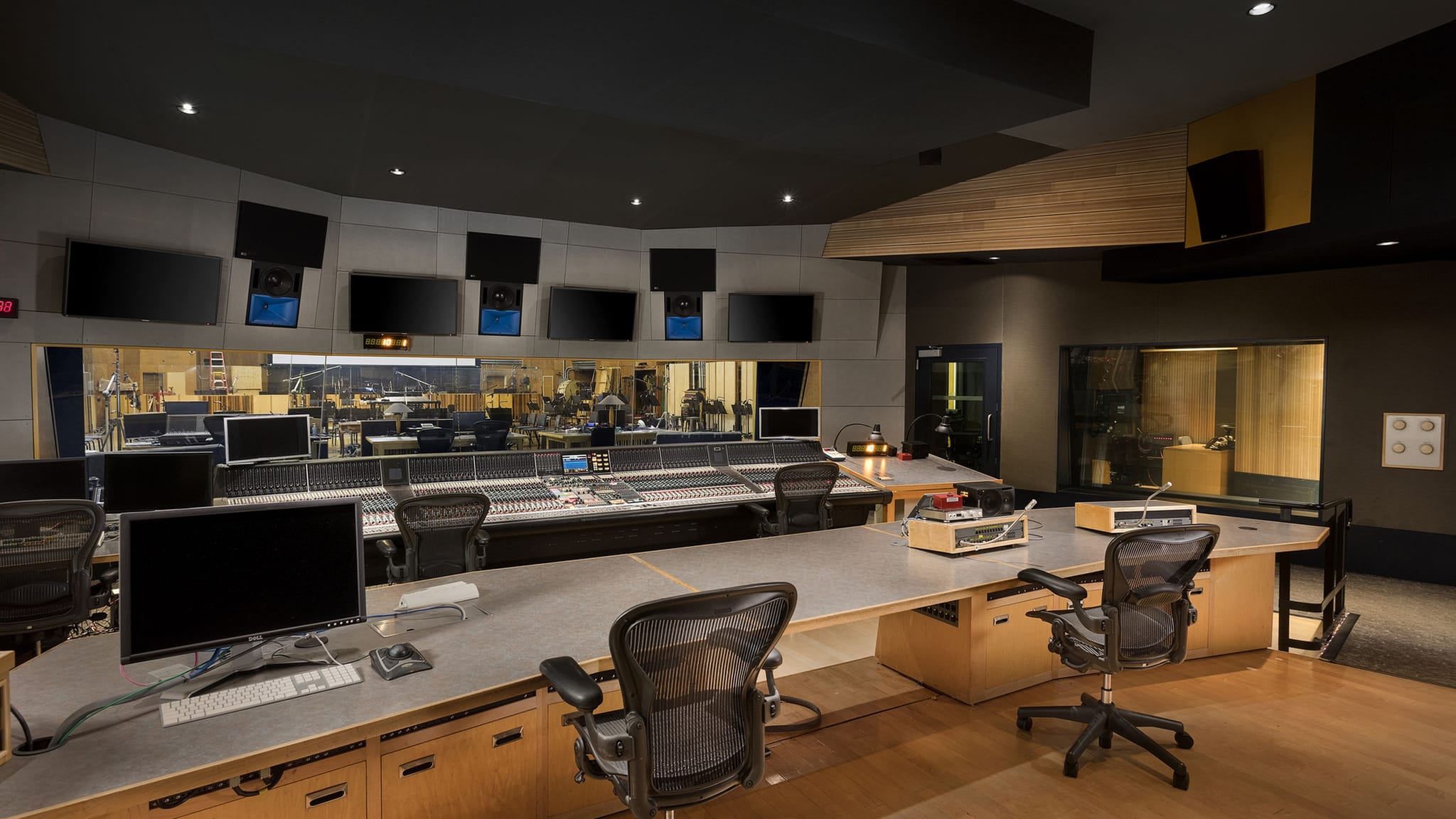
1915
The FOX Studio Lot is one of the rare Hollywood studios that was founded by and still carries the name of its founder, William Fox.
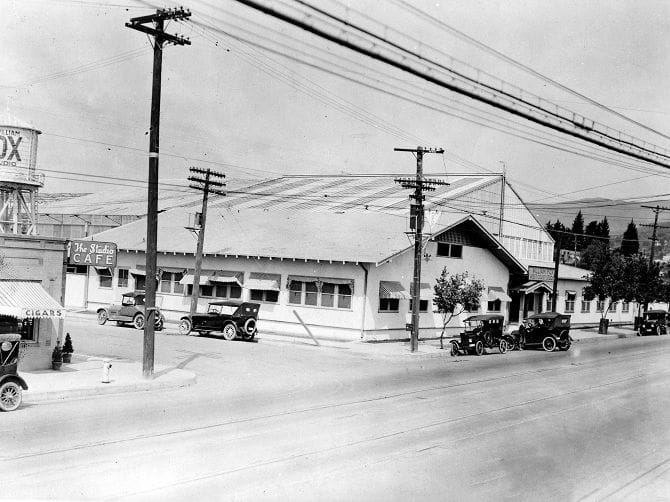
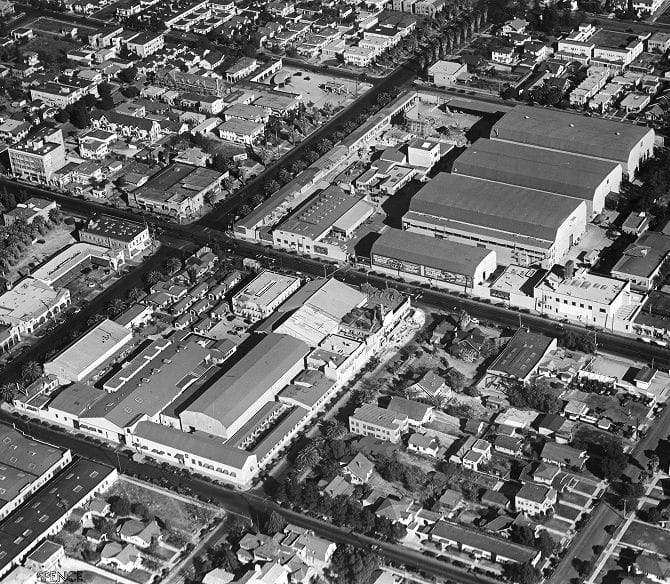
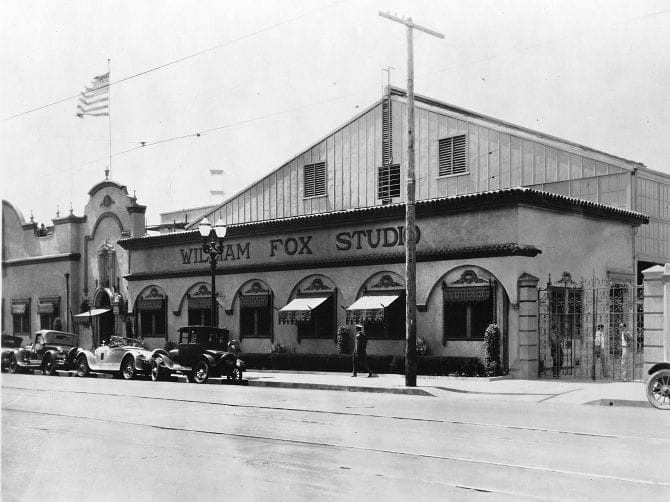
Fox Film Corp. establishes its first major presence in Los Angeles, on Sunset Blvd and Western Ave.
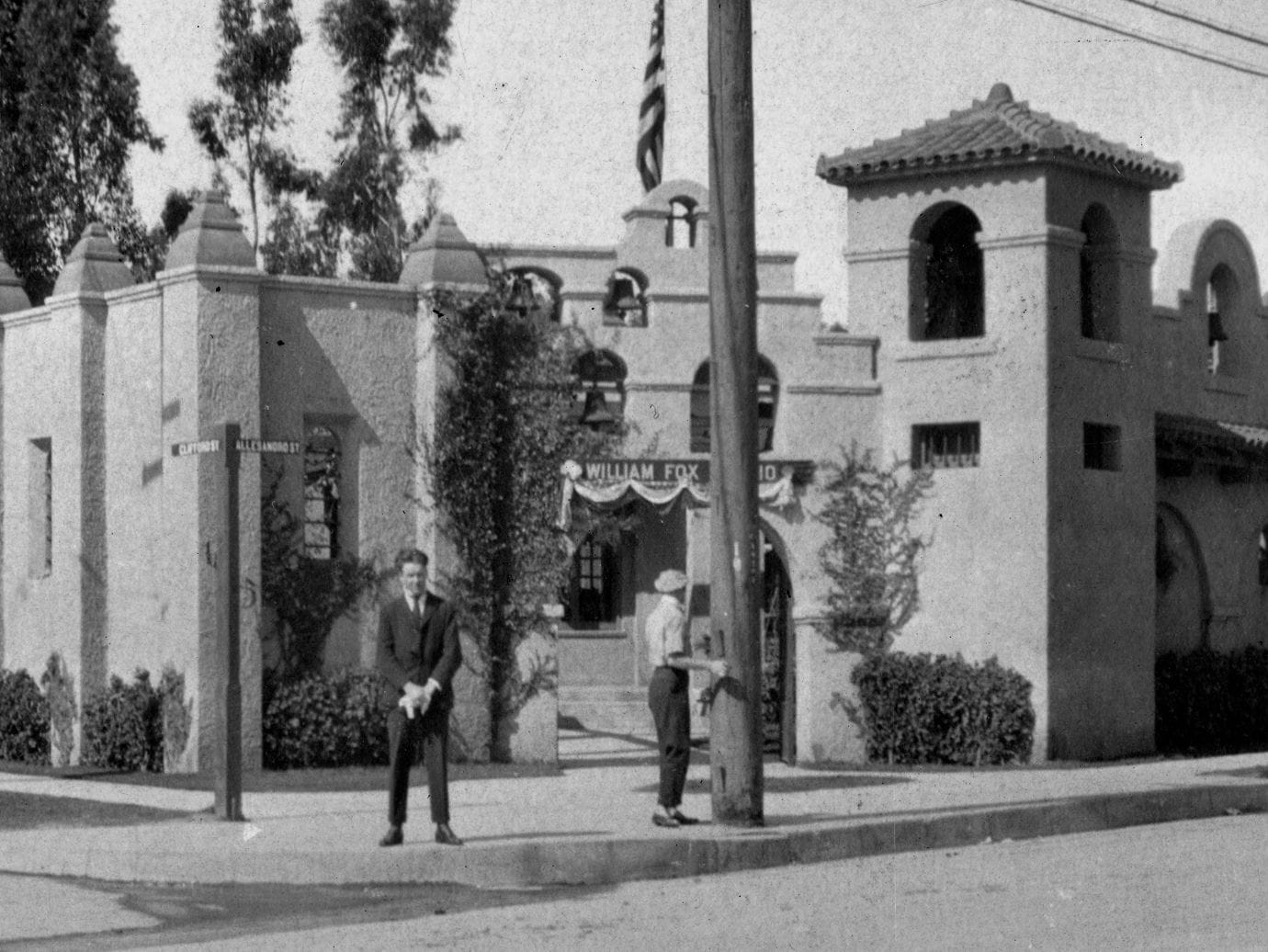
1917
Fox expands the studio on both sides of Western Ave, just south of Sunset. This early production hub became 20th Century-Fox Television throughout the 1960s.
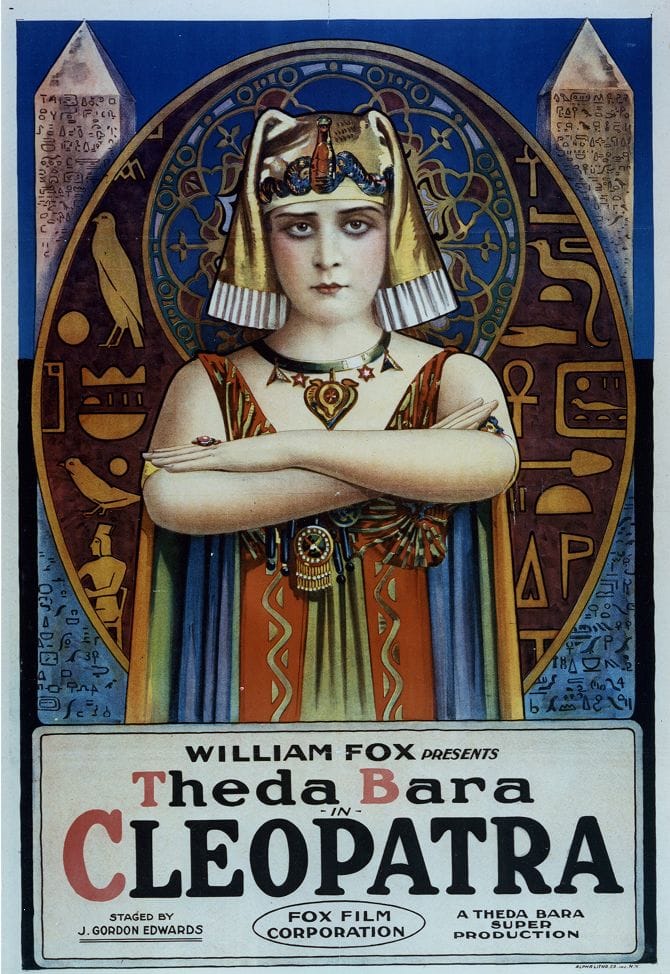
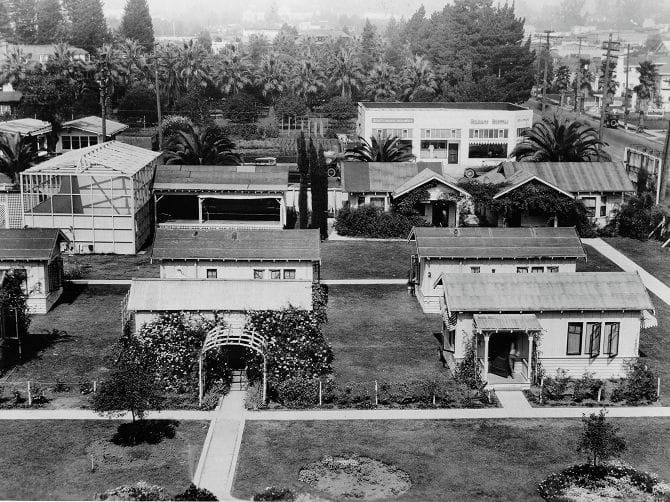
1920
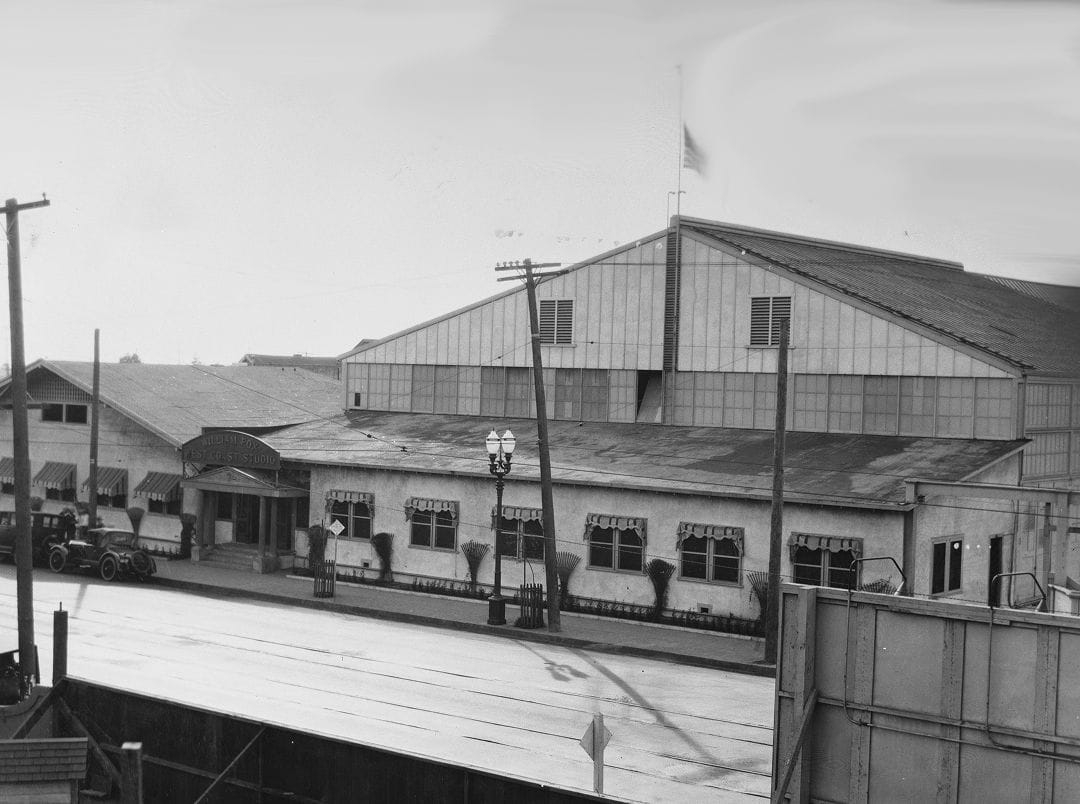
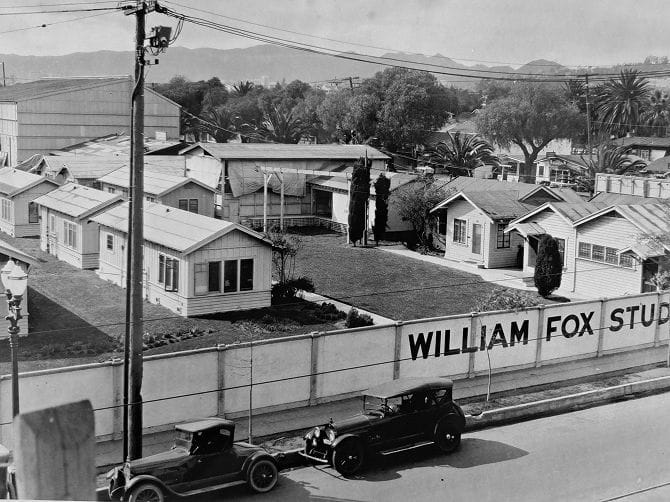
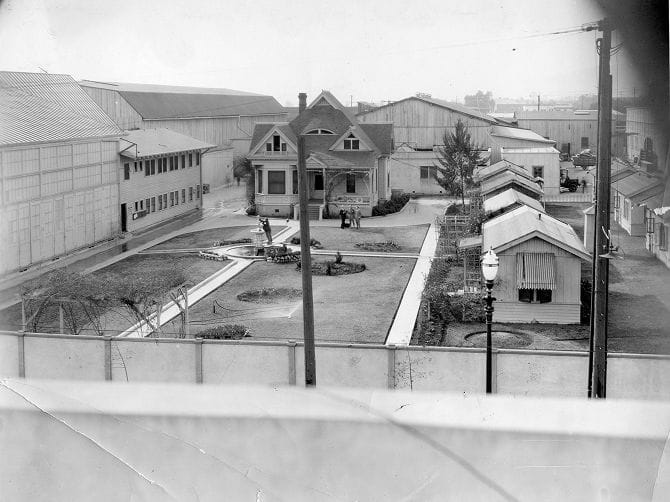
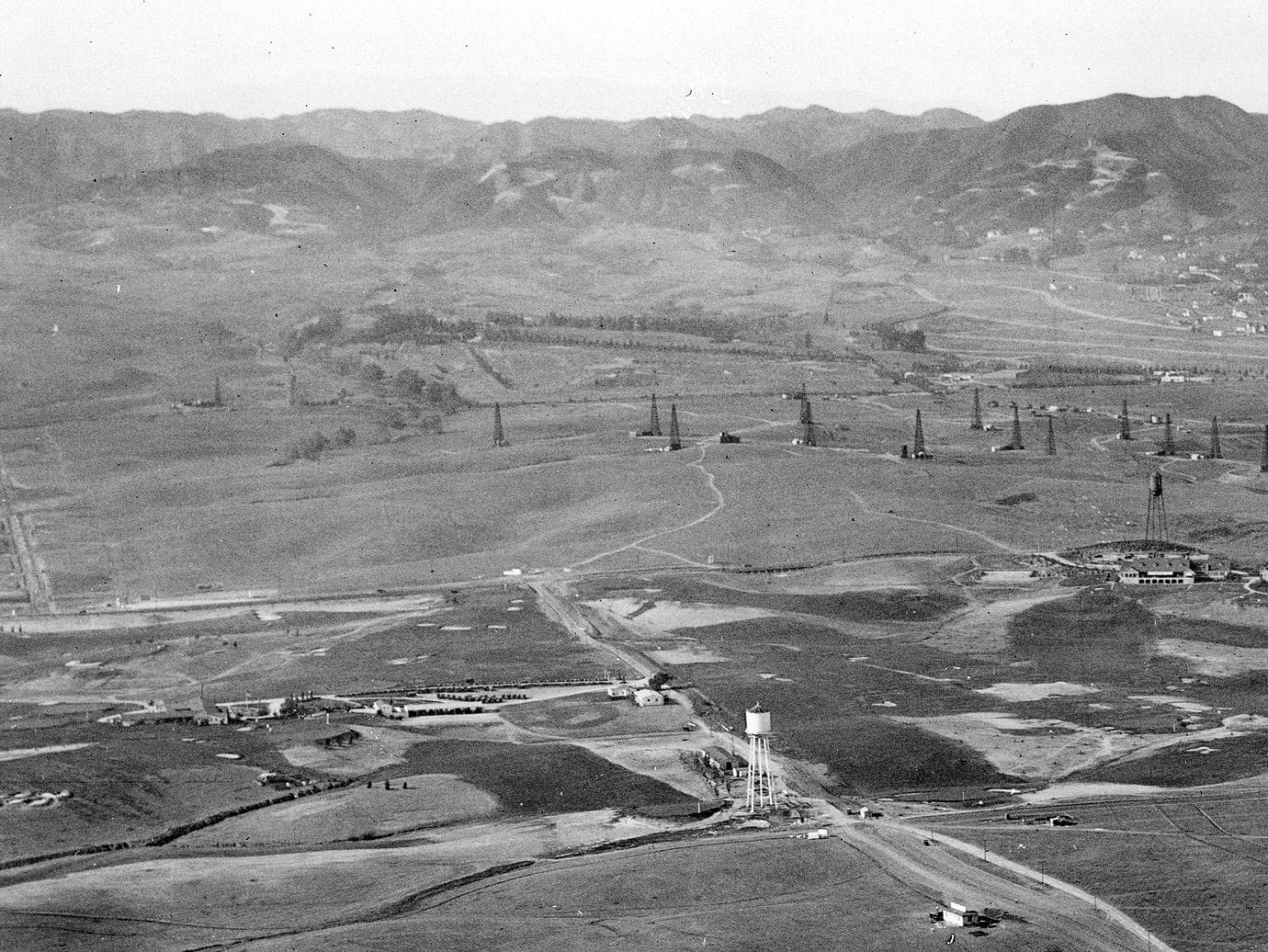
Fox plans to expand their West Coast production activities in the undeveloped expanse between Beverly Hills and Santa Monica.
1923
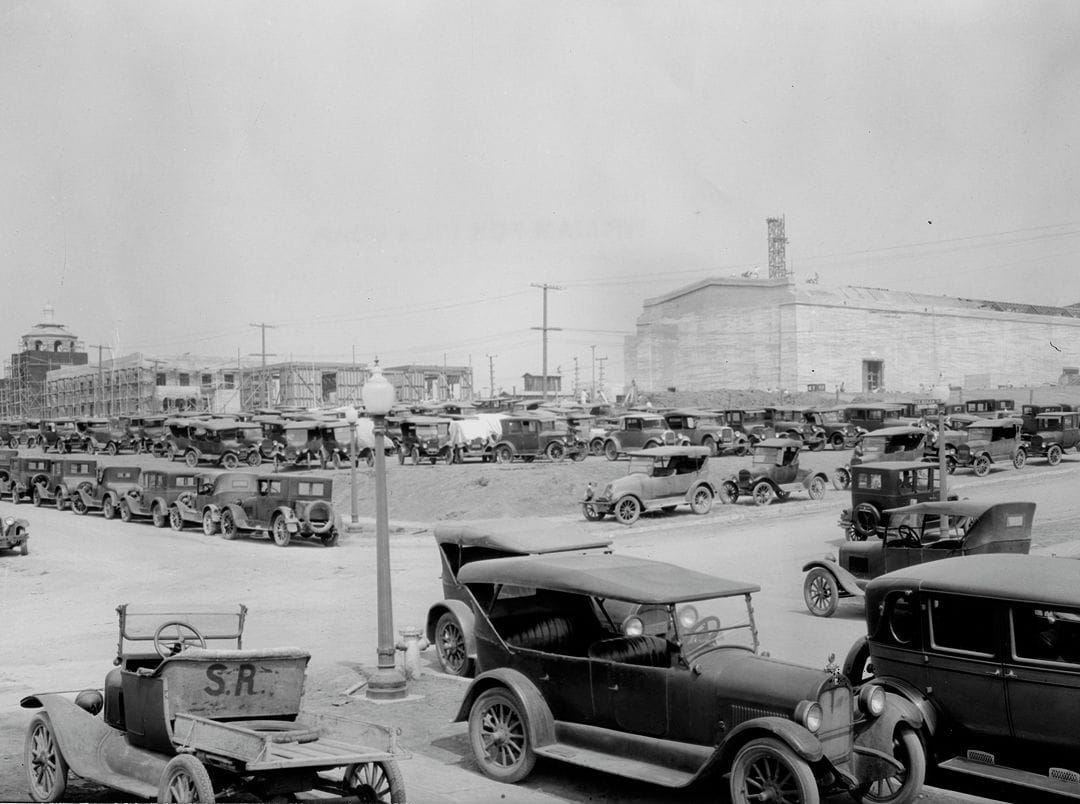
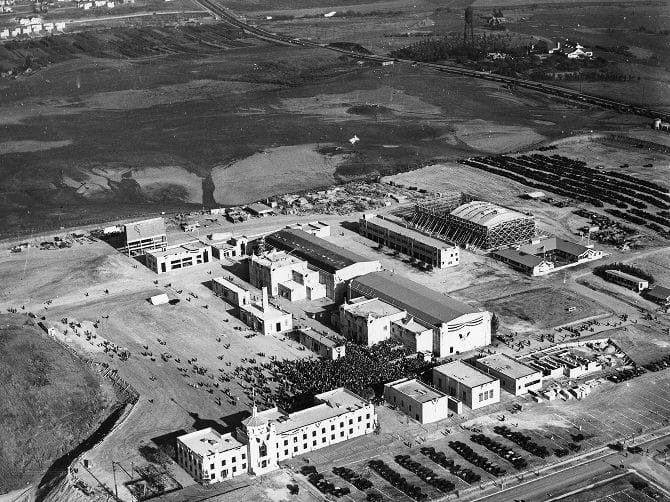
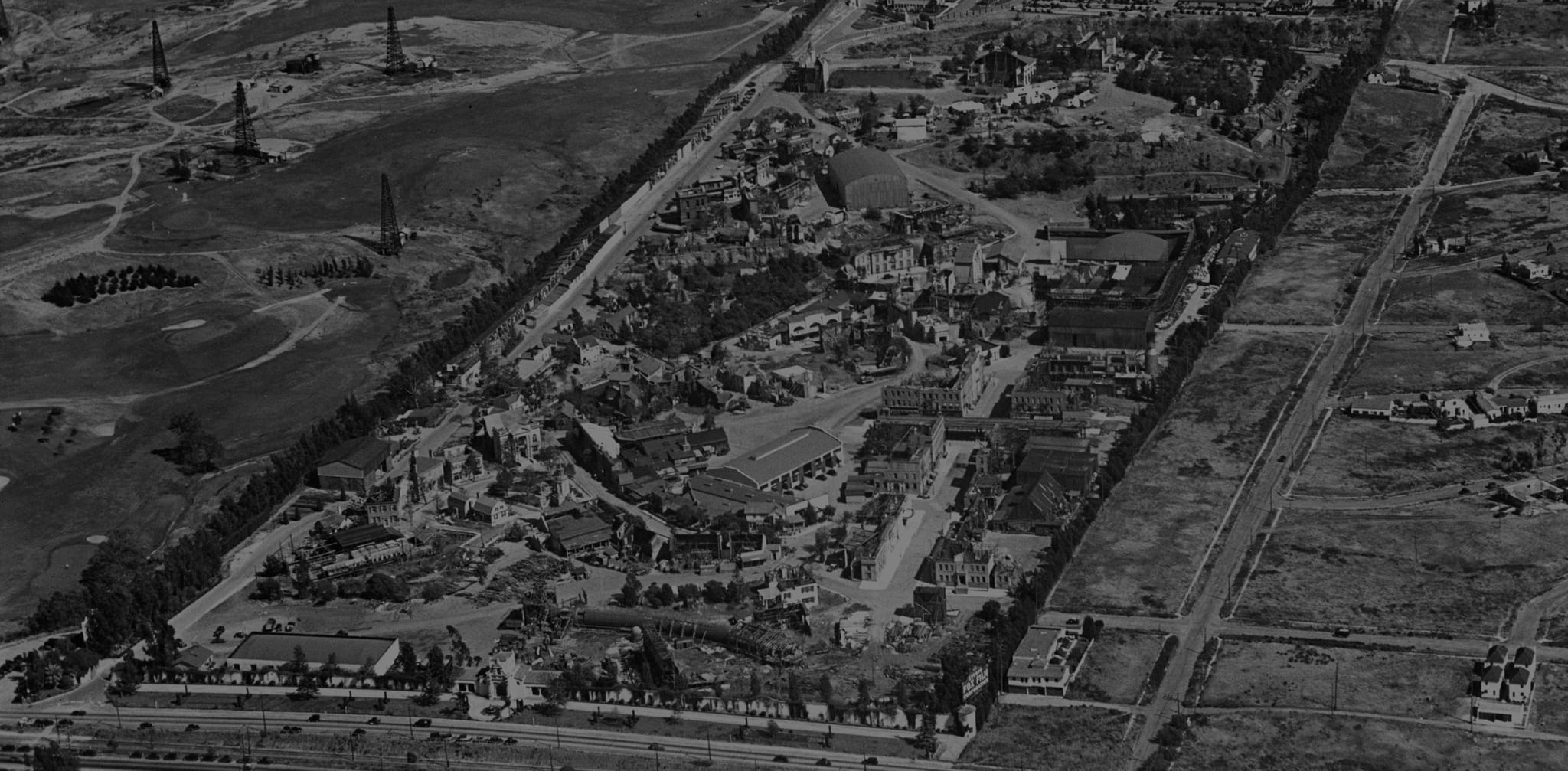
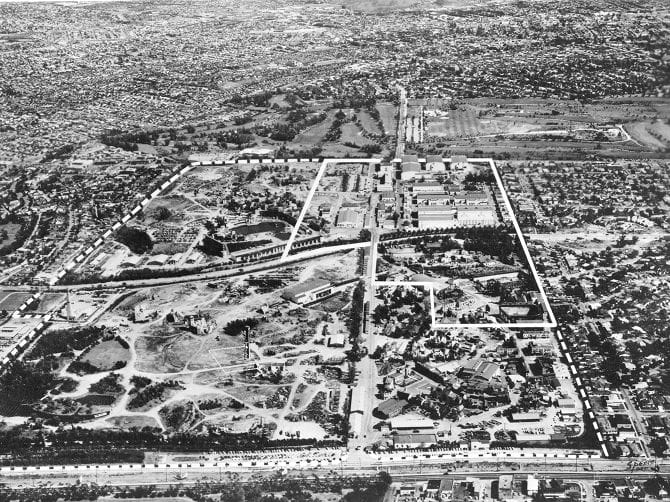
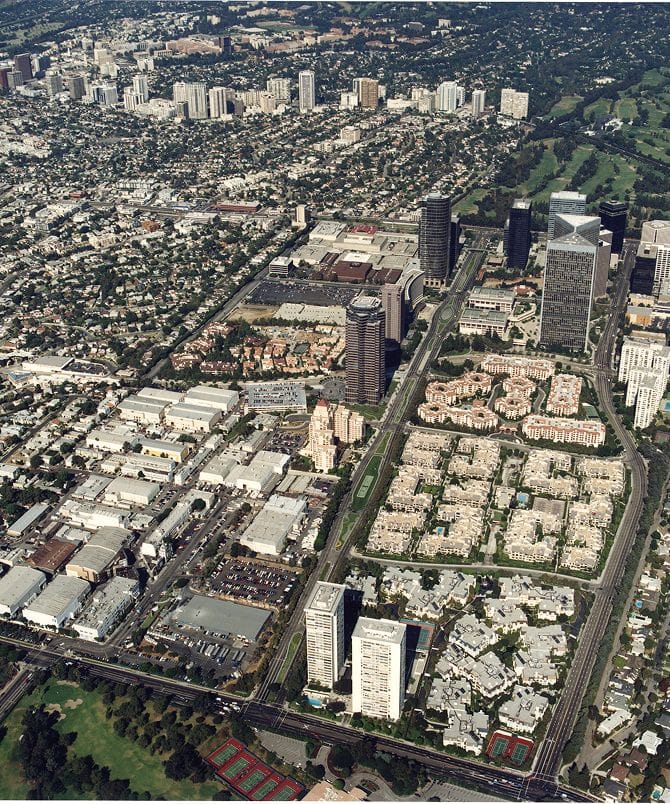
Fox Film Corp. buys a large tract of land from the Janss Real Estate Corp. in the new Westwood Development adjacent to Beverly Hills. This tract was located between Santa Monica Boulevard, Pico Boulevard, Century Park West and later expanding to Avenue of the Stars.
The property had wide-open spaces that were ideal for silent film cowboy stars such as Buck Jones and Tom
Mix, who could freely ride their horses across the grounds. Originally the property was known as the Fox Hills Location Ranch that was later to become an extensive ‘back-lot’ of outdoor settings.
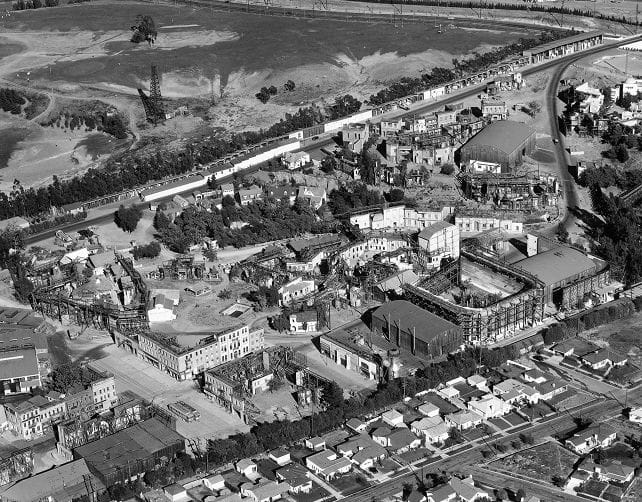
The expansive areas also allowed for the construction of monumental outdoor sets, including those built for
Sunrise (1927), which went on to become a big winner at the first Academy Awards in 1929.
1926
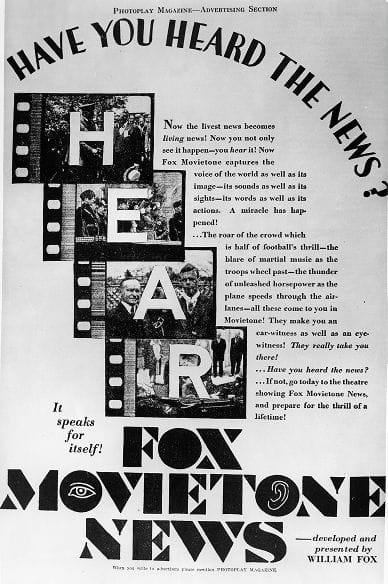
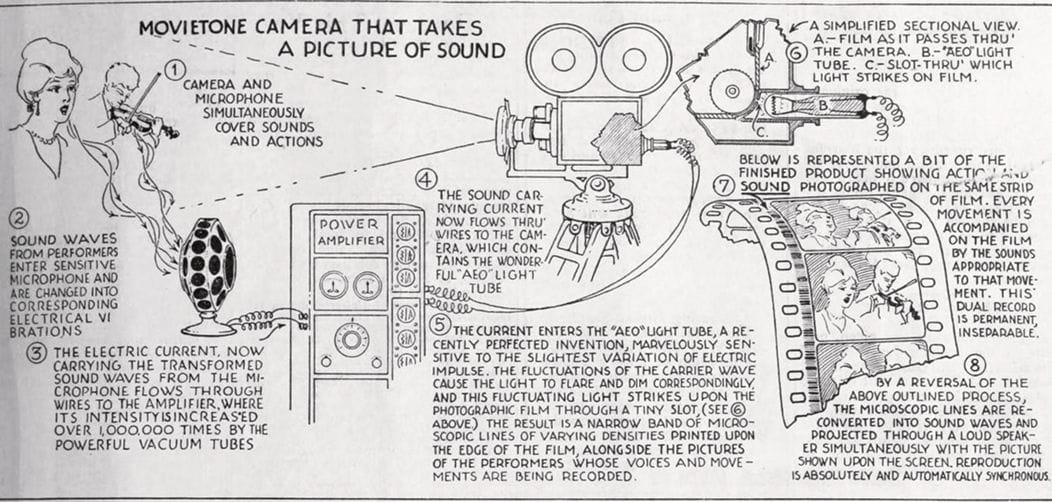
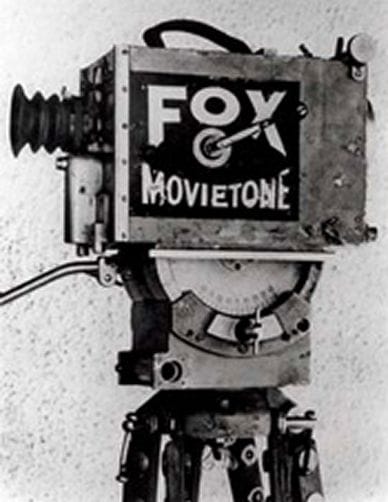
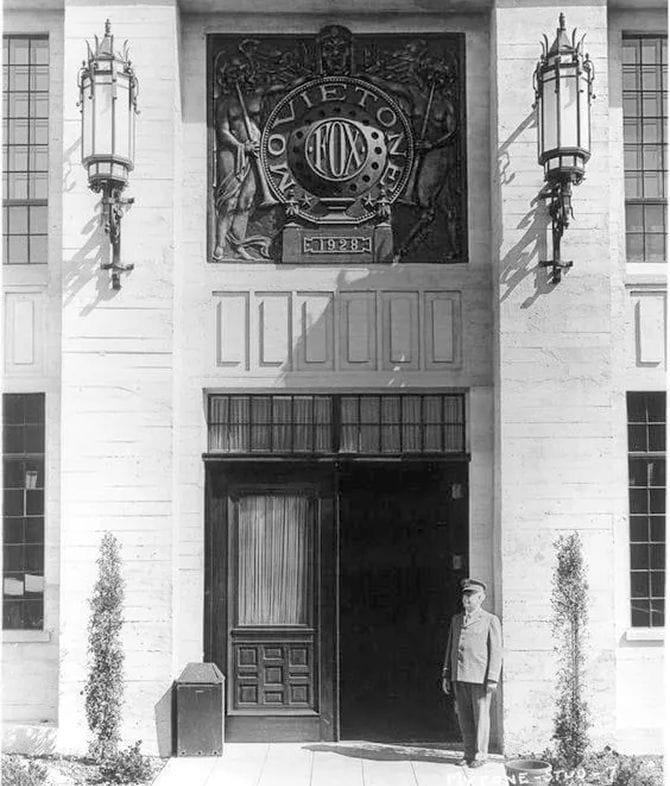
Fox Film Corp. purchased the entire Movietone Sound System including the sound-on-film patents developed and patented by Theodore Case. Movietone eventually became the industry standard, replacing the Warner Bros “Vitaphone” synchronized-disc system.
1927
The first public showing of Fox Movietone films took place at 42nd St. Harris Theatre in New York City.
1928
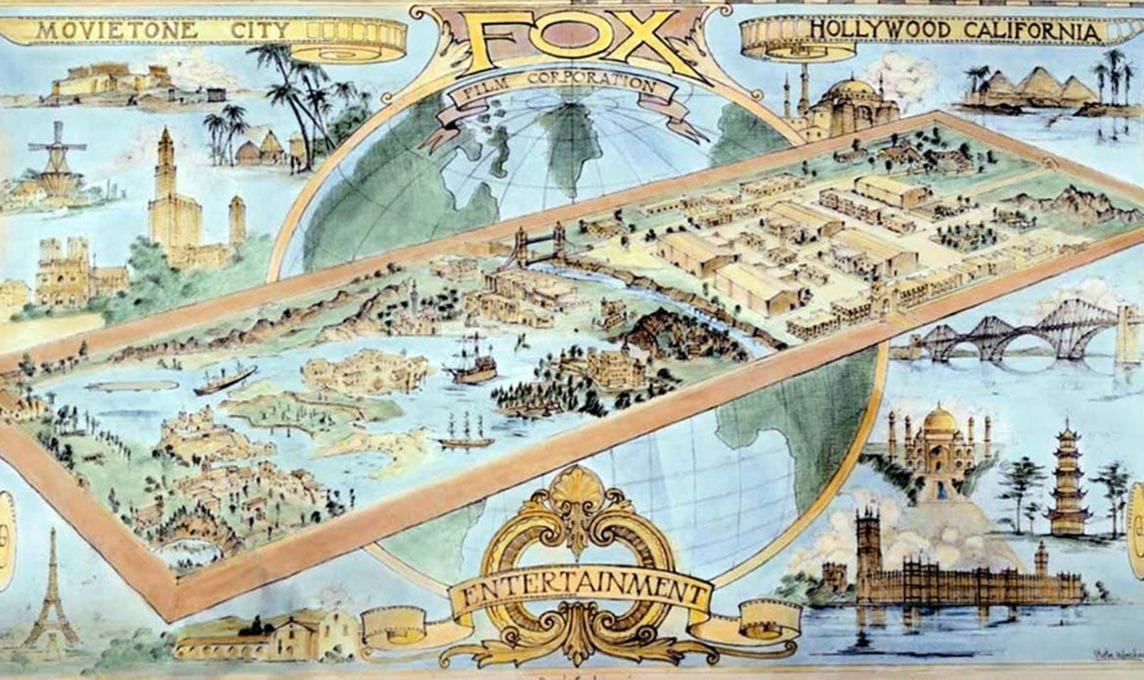
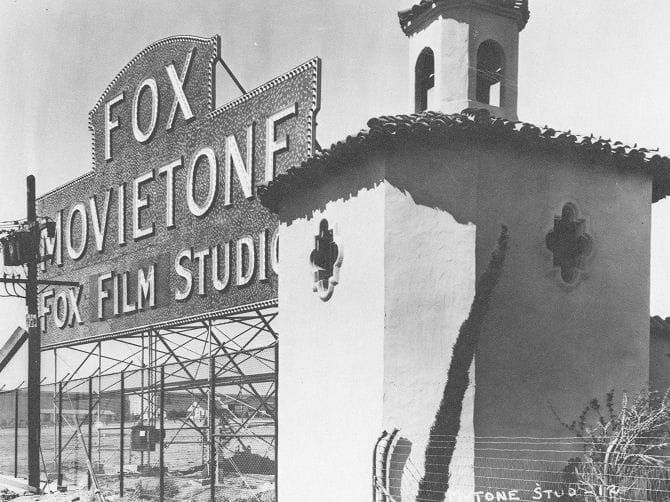
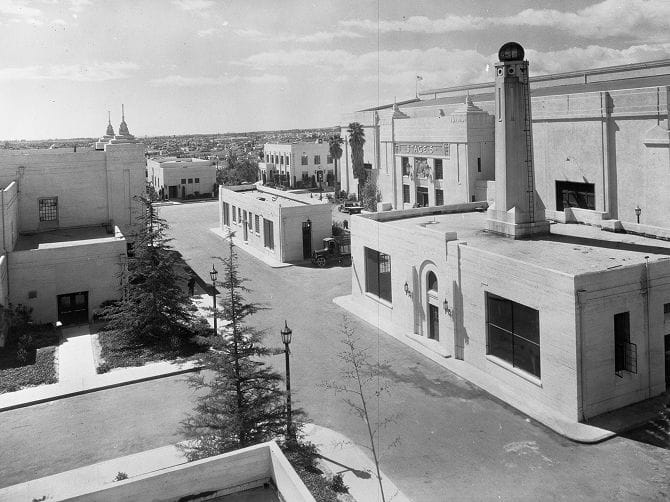
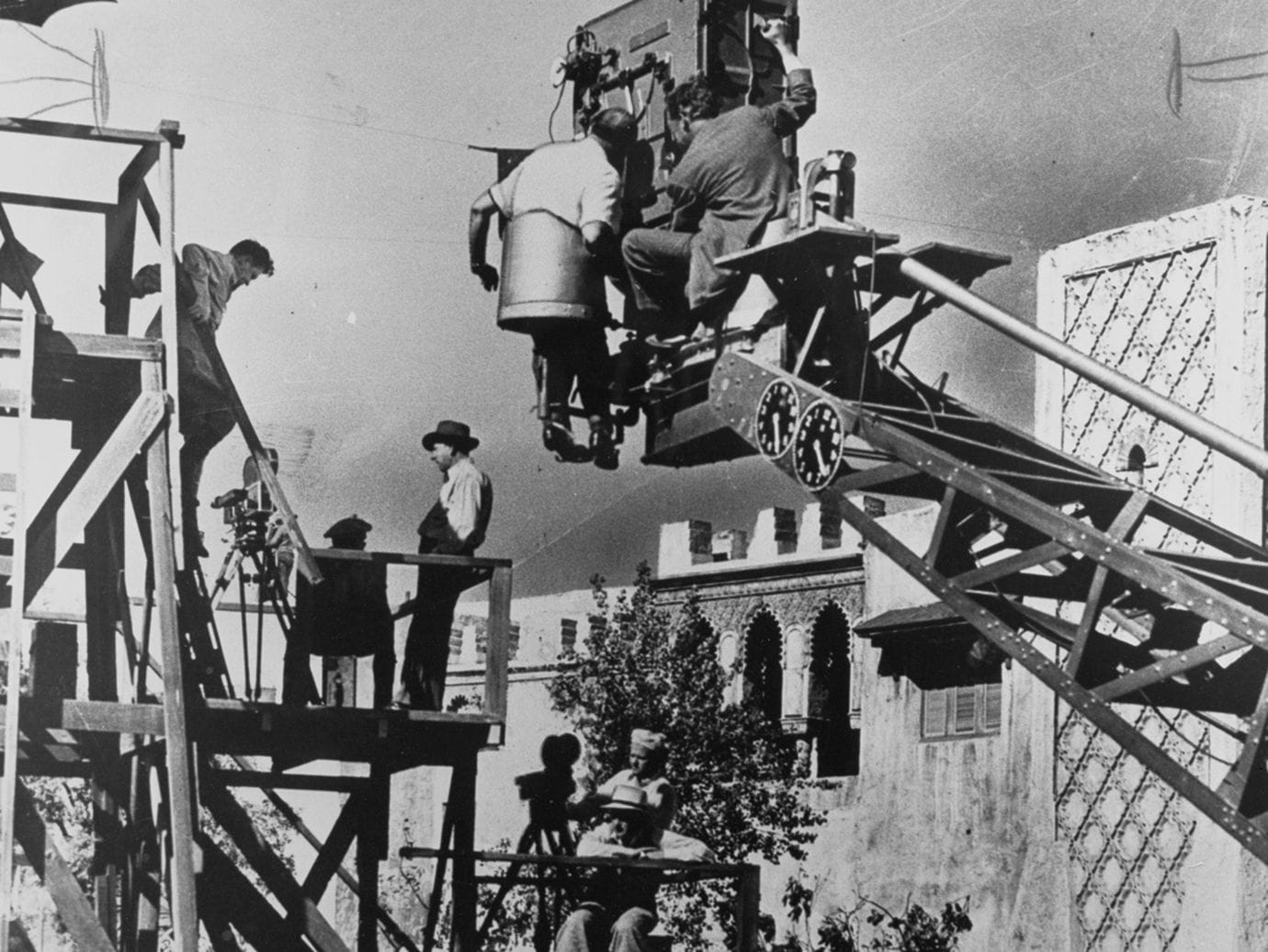
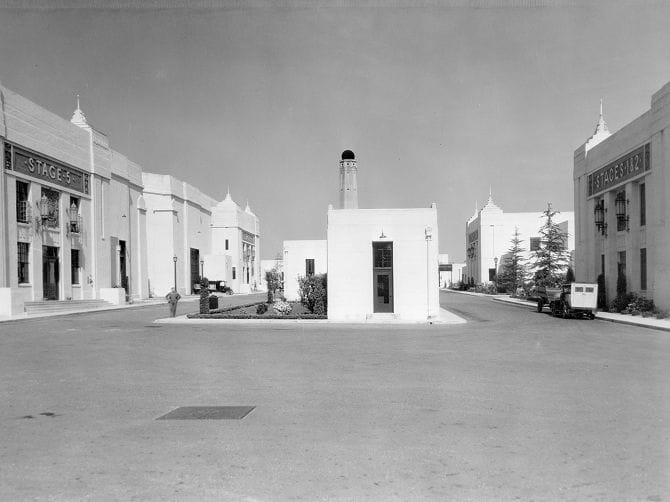
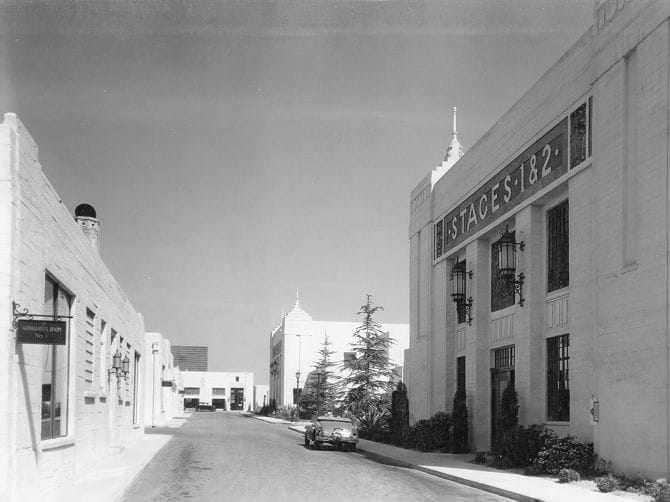
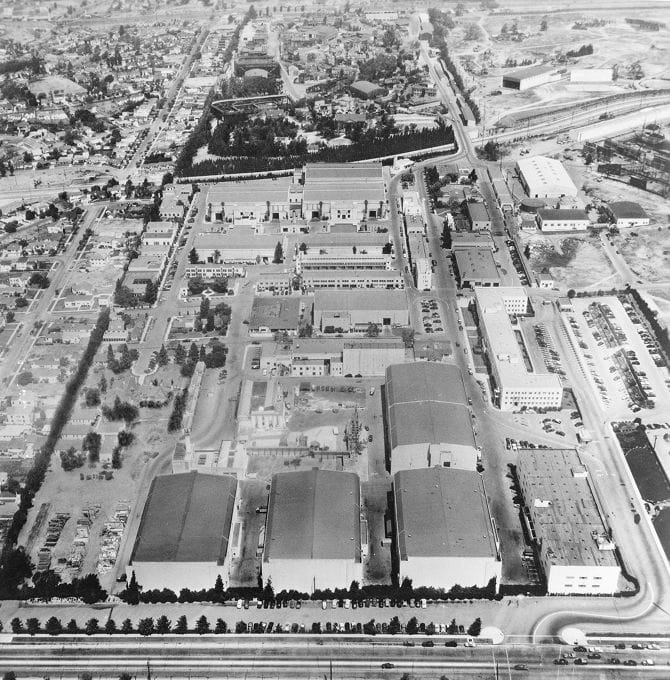
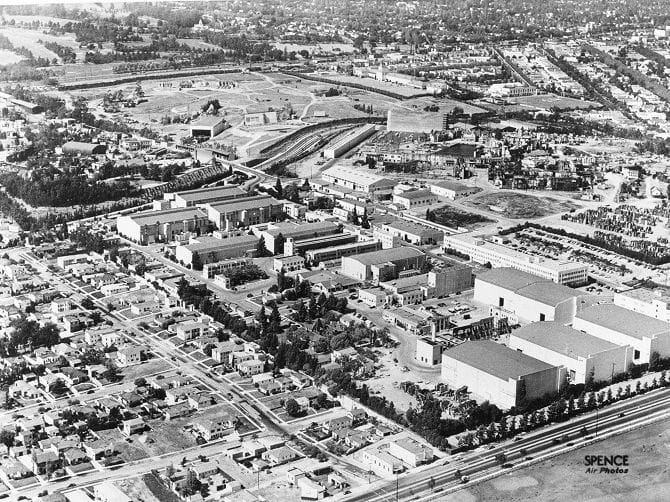
On October 28th, 1928 Fox Movietone City becomes the first movie studio built exclusively for sound movies.
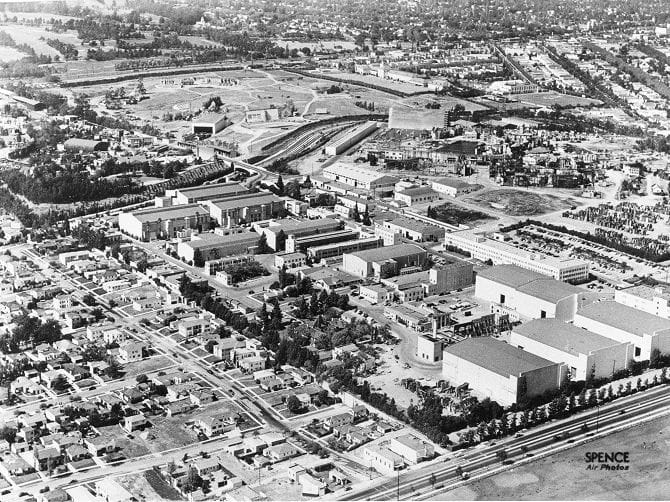
Fox Film Corporation’s West Coast studio complex was considered the most completely equipped plant for motion picture production in the world.
1930
William Fox sold his shares of controlling voting stock of the Fox Film Corporation and Fox Theatres to the General Theatres Equipment Corp., thus ending the William Fox control of the entire company.
1933
Cavalcade (1933) becomes the first and only Best Picture winner at the 6th Academy Awards for Fox Film.
1935
Fox Film Corporation merges with Twentieth Century Pictures to form Twentieth Century-Fox, headed by Darryl F. Zanuck.
1936
The FOX Studio lot expands and takes over the Westwood Metropolitan Golf Course for backlot settings located to the Northeast of the original Fox property.
1940
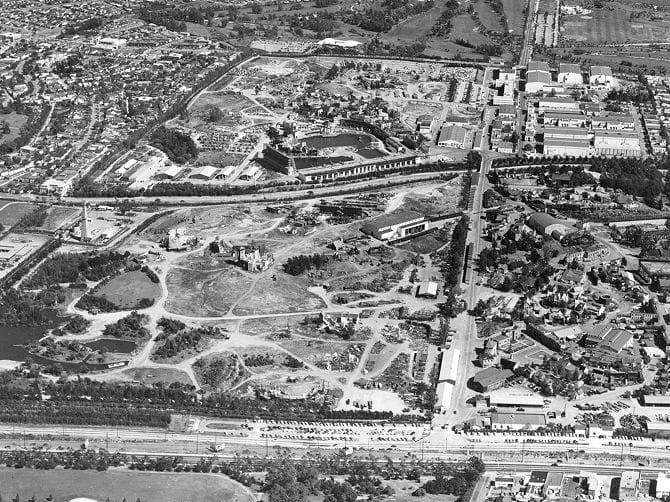
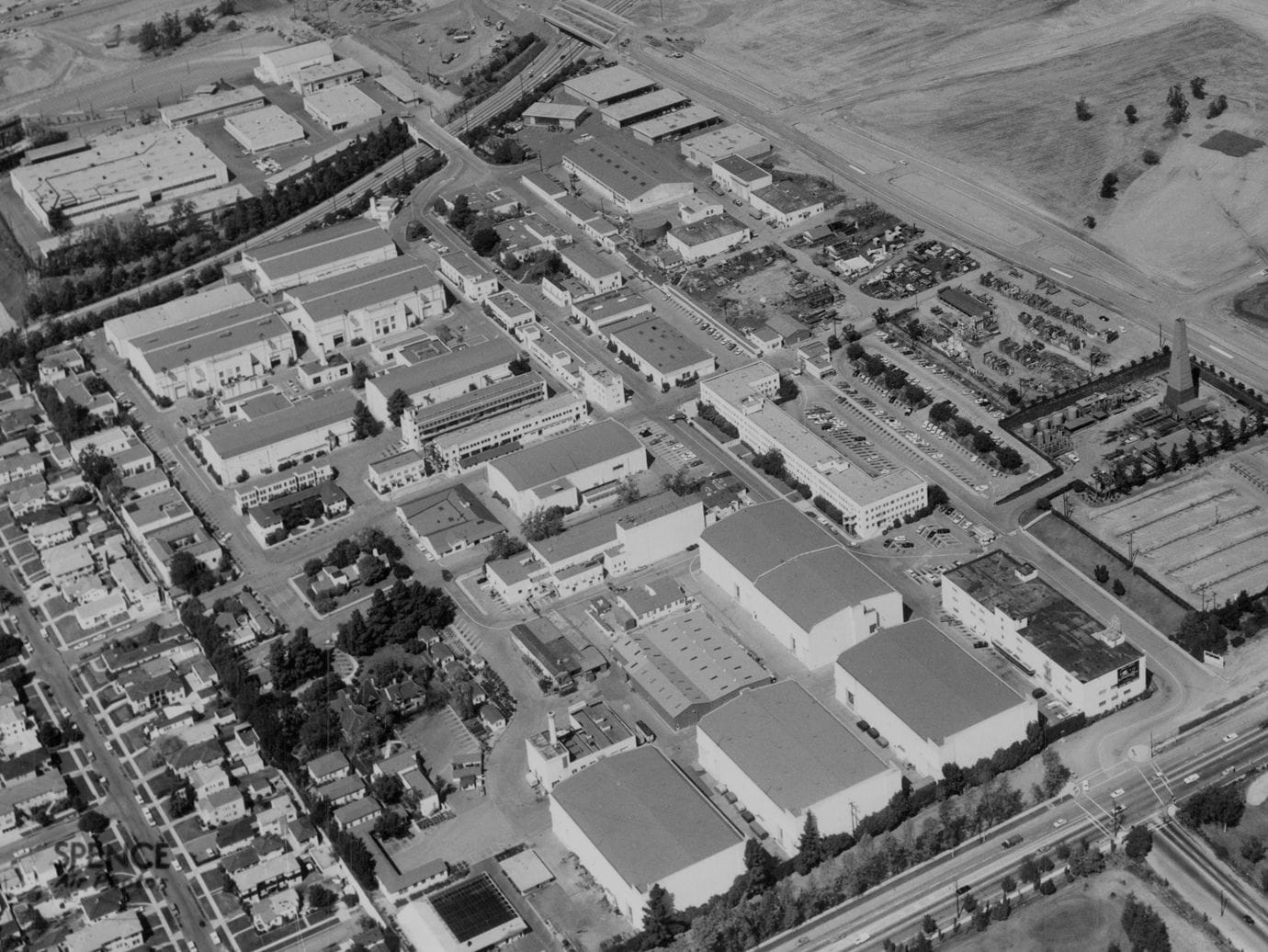
The Fox Studio Lot footprint grows encompassing 265.26 acres, becoming a versatile wonderland with an endless variety of sets including replicas of New York and Chicago, Western streets, European villages, a New England town, elegant mansions, formal gardens, lakes and jungles, to name a few. This historic backlot was used them until filming on location gained popularity.
1952
The original Western Avenue Fox Film Studios in Hollywood becomes the home to 20th Century Fox Television.
1956
Darryl F. Zanuck resigns as head of production to form his own company which will produce for Fox.
1957
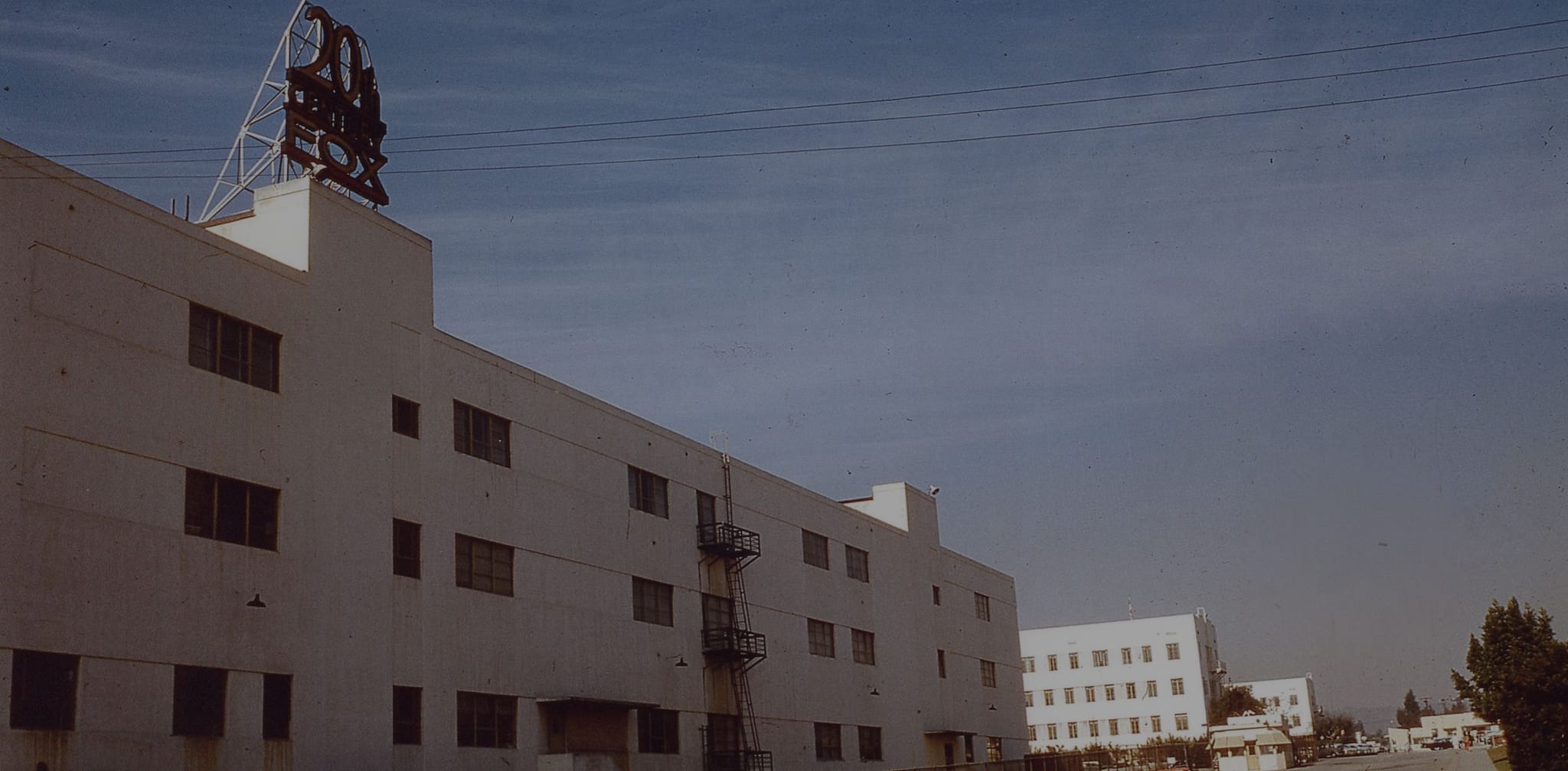
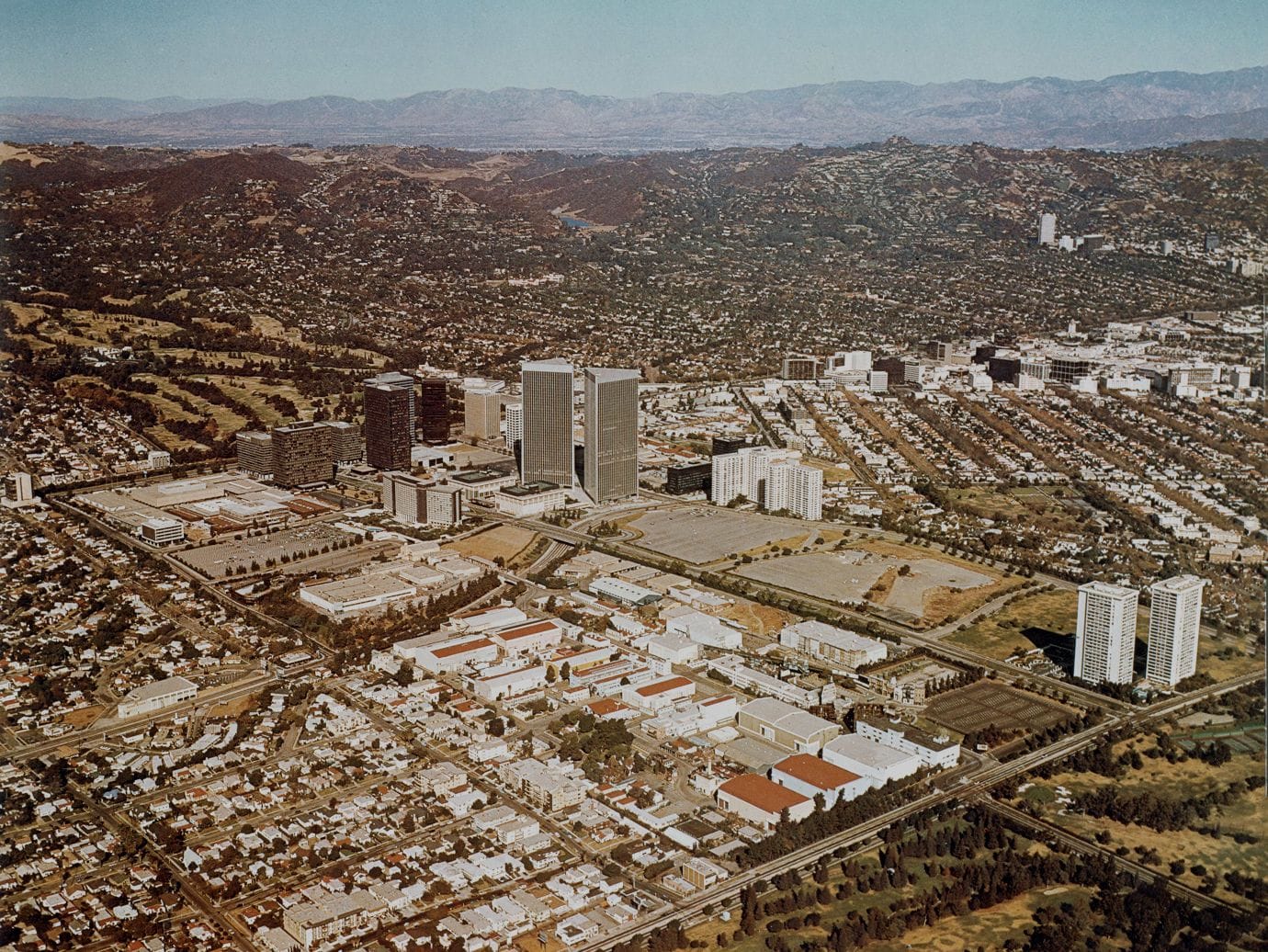
20thCenturyFox President Spyros Skouras announces plans to develop the famous Fox back lot into a commercial center.
1961
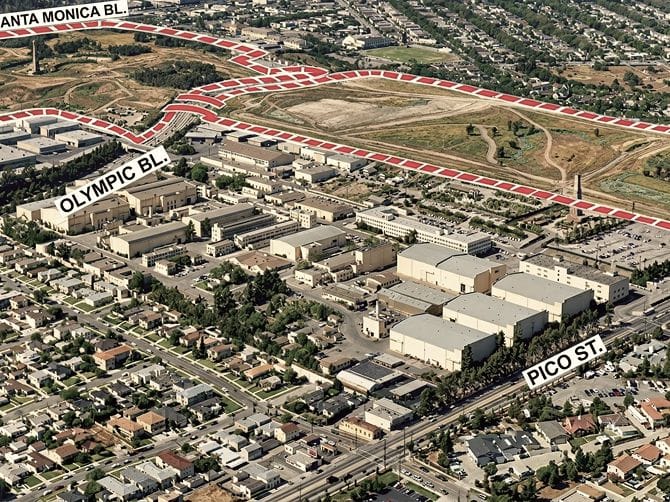
Alcoa Corporation purchases the studio backlots for development and creates Century City.
1962
Darryl F. Zanuck returns, gaining control as president. Spyros Skouras becomes Chairman of the Board.
1963
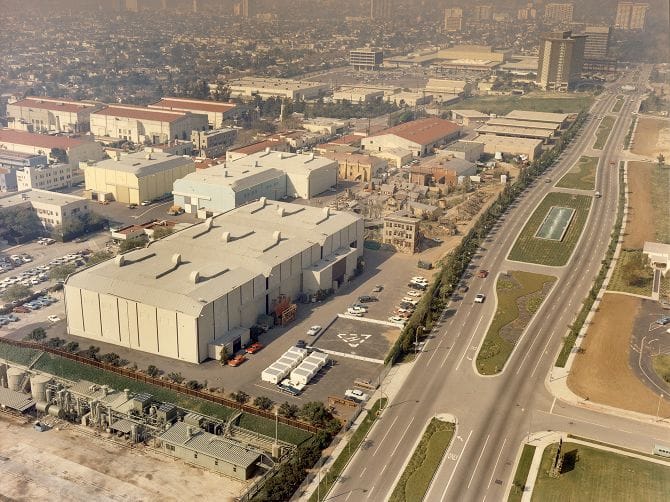
Cleopatra, with it’s estimated production costs totaling $44 million ($350M-$450M in modern value) – became the most expensive Hollywood film ever produced up until that point and nearly bankrupt the studio.
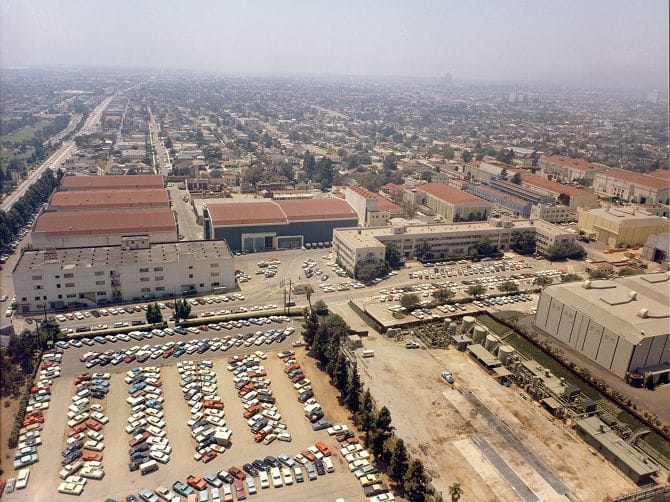
Despite the popular rumor, the decision to sell part of the backlot was not due to Elizabeth Taylor’s Cleopatra. In 1957 the decision was made to sell off the backlots and develop them into commercial properties and it wasn’t until 1961 that the backlots were sold.
Cleopatra premiered at the Rivoli Theatre in New York City on June 12, 1963. It became the highest-grossing film of 1963 earning $57-58M at the box office, ($480M-$570M in modern value).
1968
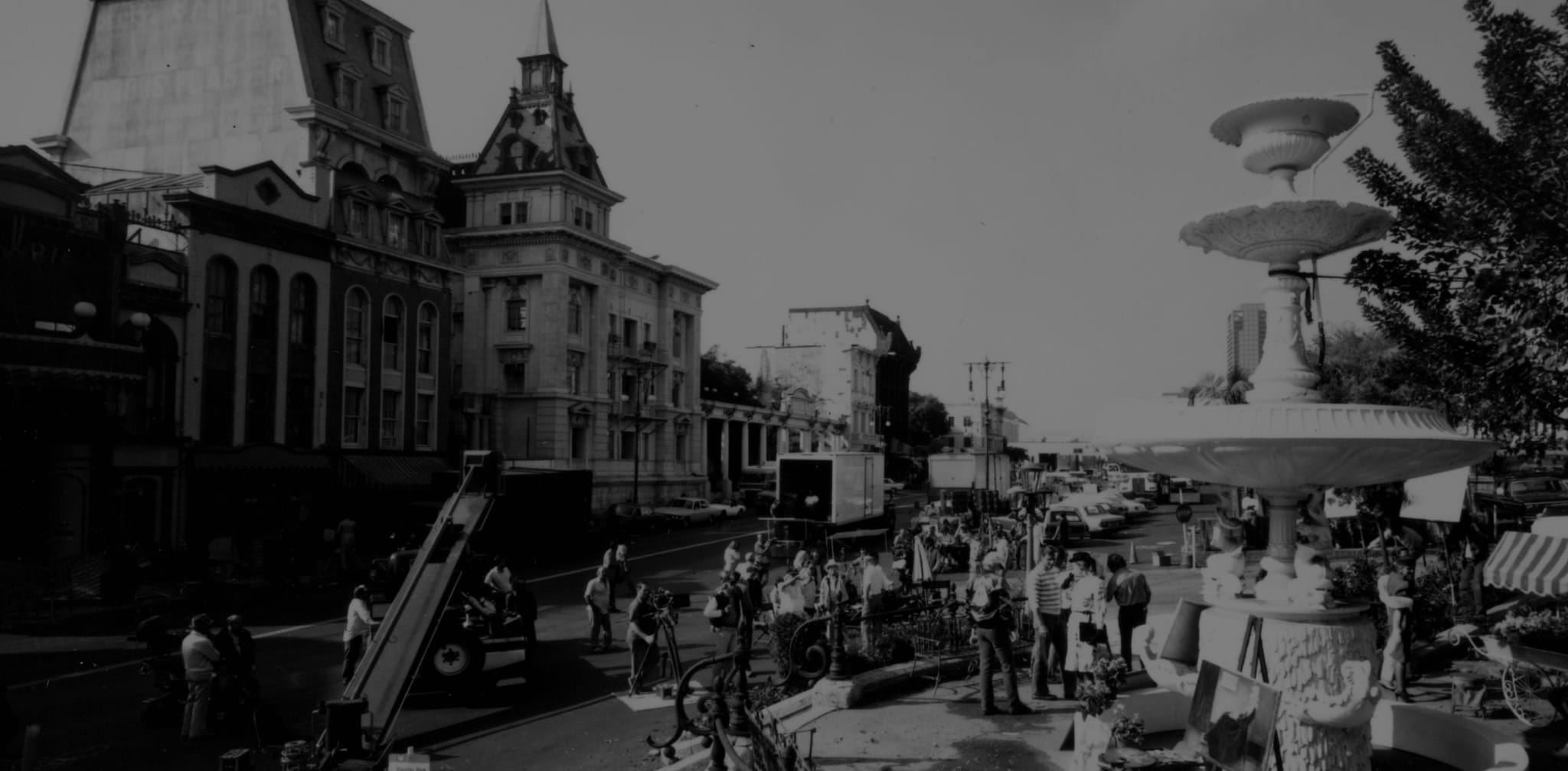
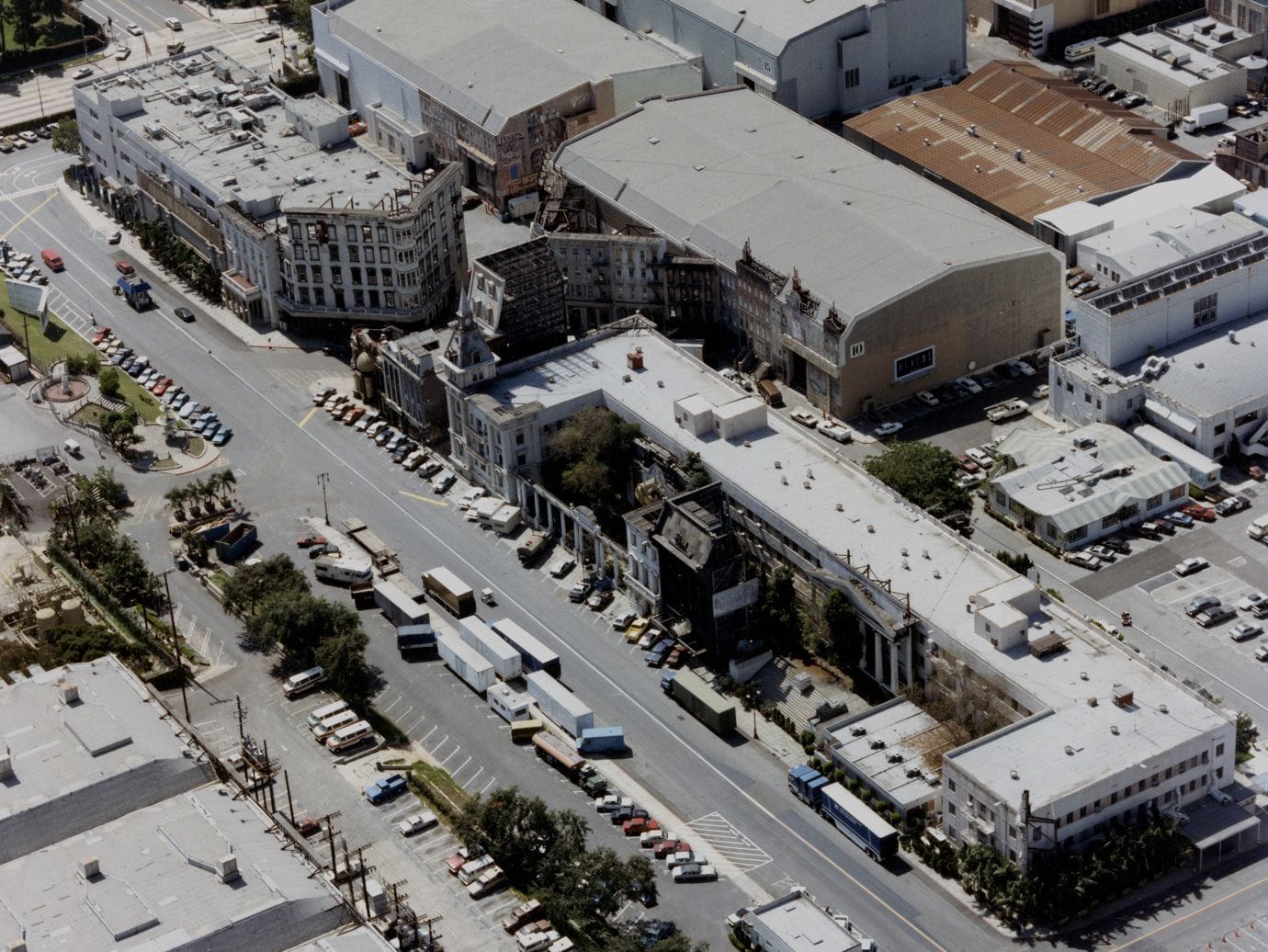
One of Hollywood’s most lavish sets, a recreation of 1890s Manhattan, is built for Hello, Dolly! (1969). A portion of this iconic set, now known as New York Street, was preserved and has been used by many productions over the years. It was recently completely rebuilt (2023) to endure new decades of service.
The Sunset & Western lot is phased out, closed and demolished for a commercial development while 20th Century Fox's primary operations remain at the Century City lot.
1981
Real estate developer, Marvin Davis, acquires the FOX Studio Lot. This makes Davis the first private individual to own a major film studio since the early days of Hollywood.
1985
The FOX Studio Lot is sold to Rupert Murdoch who transforms it to meet the demands of the new FOX media companies, including its television network and sports channels.
1991
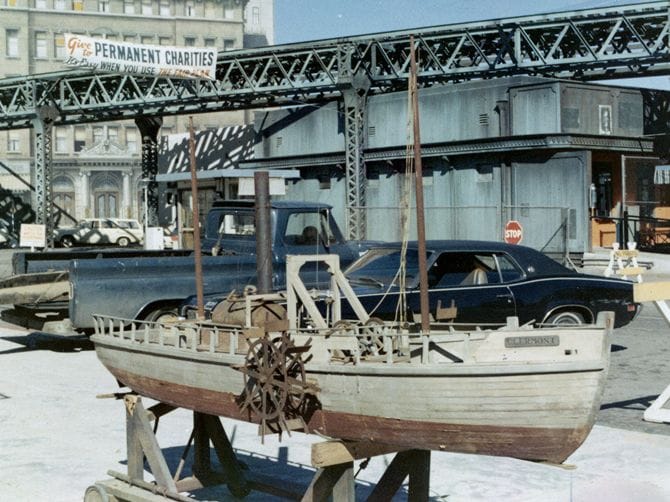
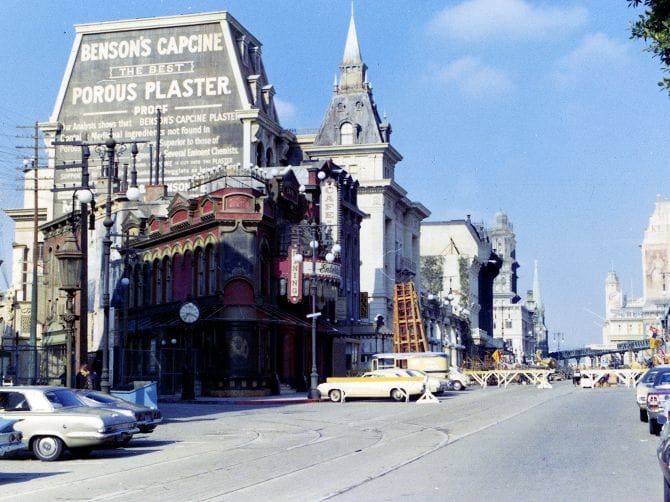
Launching of a historical preservation program on the 20thCenturyFox lot was planned.
1994
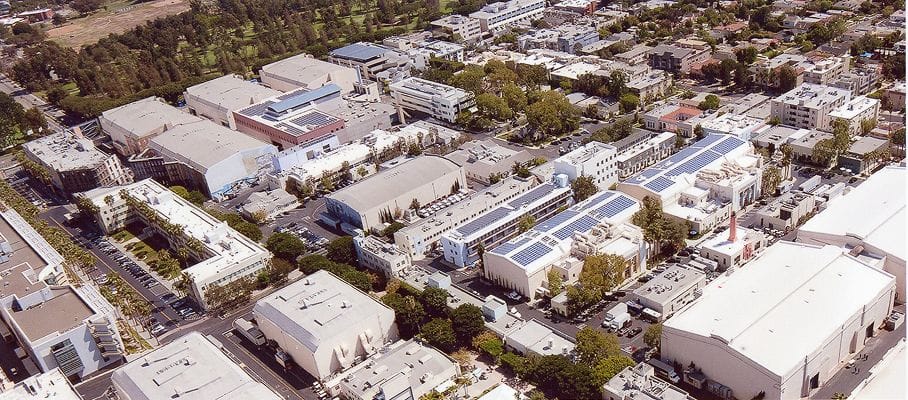
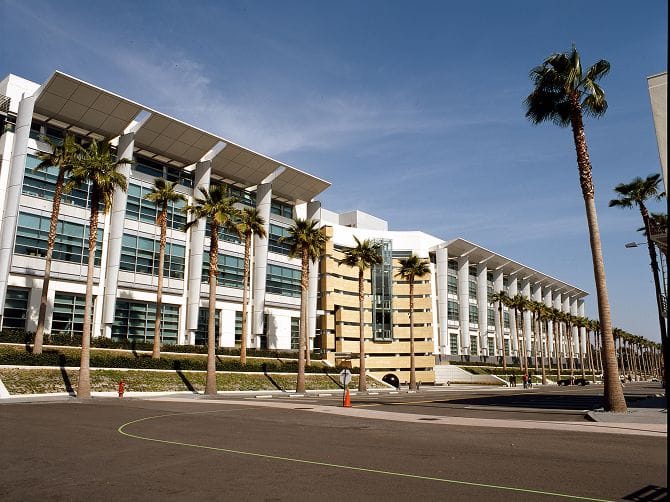
The studio lot has been under renovation and expansion. The FOX Studio Lot is prepared for the 21st century: Building 100 is constructed for the new worldwide headquarters. Building 101 is created to house additional soundstages for television. Stages 3 & 4, state-of-the-art post-production facilities, are constructed.
2023
The FOX Studio Lot celebrates its 100th anniversary with a continued renovation and expansion program.
2025
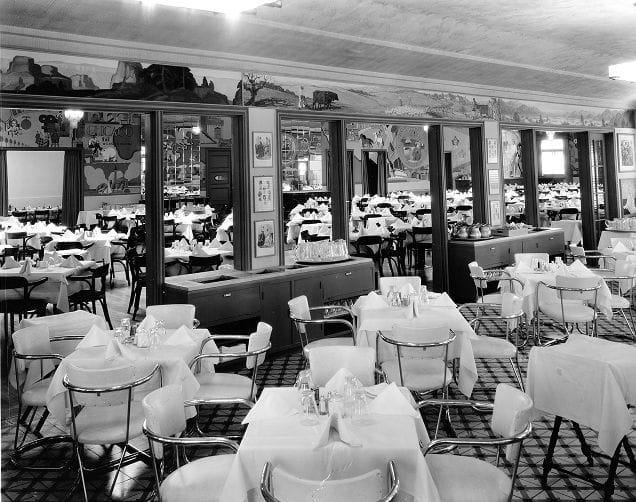
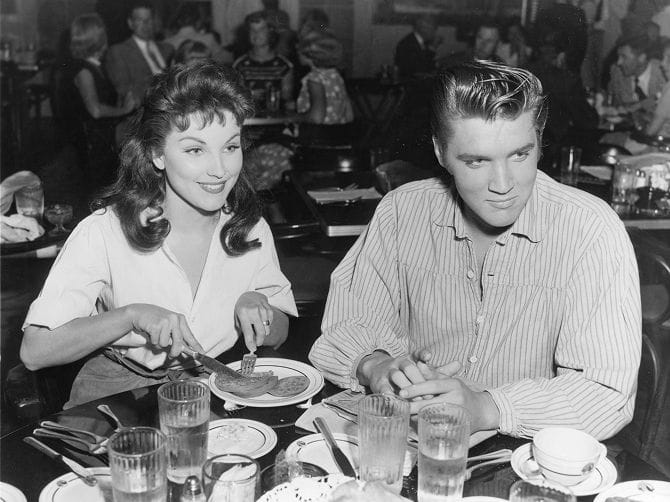
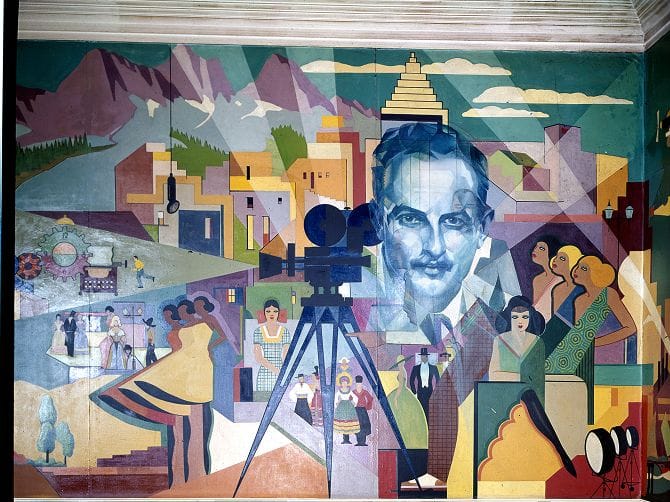
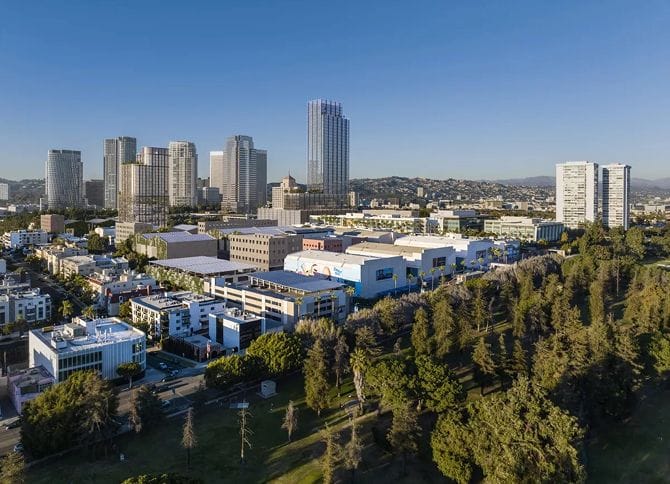
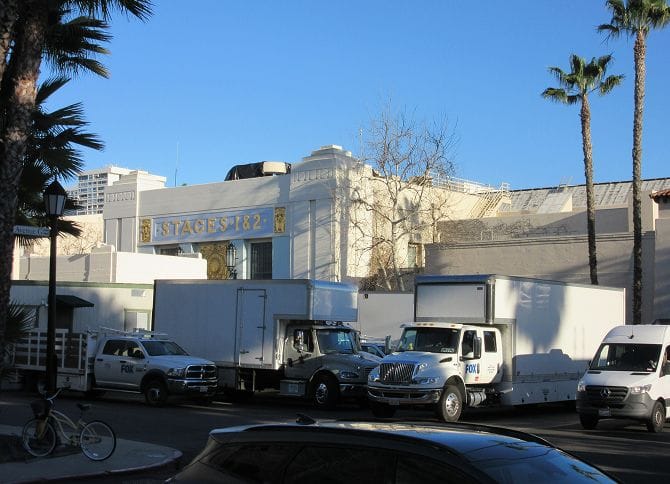
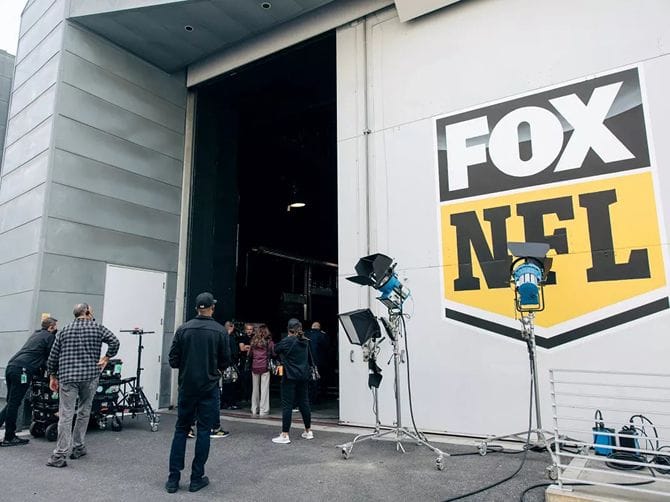
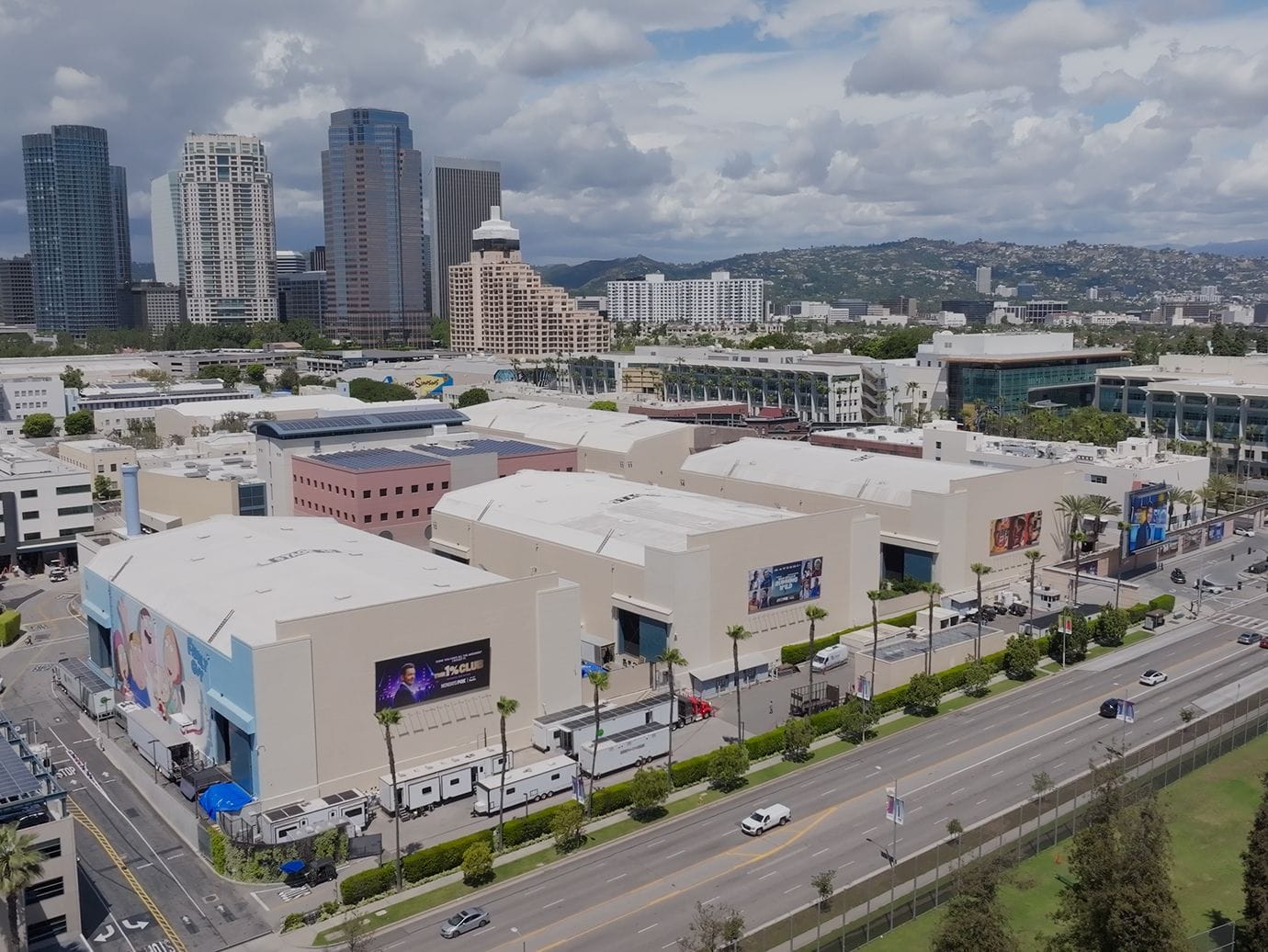
Currently in use at the studio are over 2 million square feet of production support and headquarter facilities for Fox administration, production personnel, stages, theaters, dressing rooms, and editing bays, and including the famous Alfred Newman Scoring Stage and the Café de Paris dining room with it’s vintage Hollywood murals.
- 1910s
- 1920s
- 1930s
- 1940s
- 1950s
- 1960s
- 1970s
- 1980s
- 1990s
- 2000s
- 2010s
- 2020s